
Is the Housing Market Becoming More Balanced?
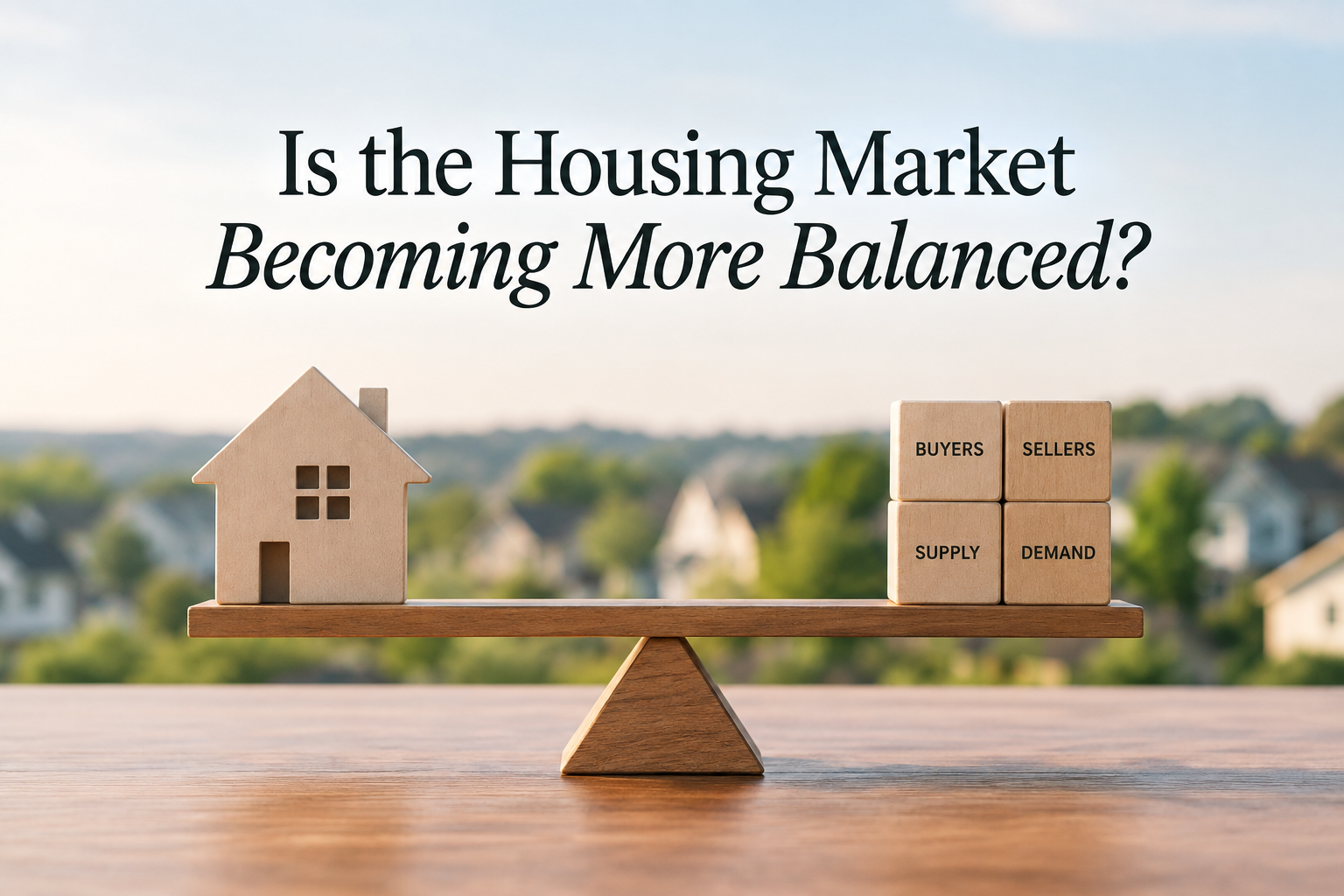
Navigating the Shift from Extreme Frenzy to Market Equilibrium
For years, real estate headlines were dominated by unprecedented market conditions: historic low inventory, rapid double-digit price appreciation, frantic multiple-offer situations, and buyers waiving core protections like appraisal and inspection contingencies just to remain competitive. However, recent economic shifts, evolving mortgage interest rates, and changing buyer behavior have prompted an essential question for buyers, sellers, and industry professionals alike: Is the housing market finally becoming more balanced?
A balanced housing market is generally defined as a real estate environment that favors neither buyers nor sellers exclusively. Real estate economists typically measure this metric by "months of inventory supply"—with 4 to 6 months of available housing representing a neutral, healthy market. In a balanced landscape, home values appreciate at a sustainable rate, buyers have the opportunity to negotiate terms and conduct due diligence, and sellers who price and present their homes effectively continue to capture strong equity gains.
To understand whether today's real estate market is transitioning toward true equilibrium, we must analyze the key indicators shaping current industry dynamics.
- Rising Inventory Levels and Extended Days on Market
One of the primary hallmarks of a market moving toward balance is a gradual increase in active property listings. During the height of the recent seller-dominated cycle, inventory moved almost instantaneously, resulting in less than a single month of housing supply in many growth markets. Today, active inventory is rebuilding as homes remain listed for longer durations.
- Normalized Exposure Times: Properties are no longer guaranteed to go under contract within 48 hours. Median Days on Market (DOM) have normalized, providing prospective buyers adequate time to view properties, schedule second visits, and evaluate their options carefully.
- Expanded Buyer Choice: Rather than rushing to submit an offer on the single available home in a neighborhood, buyers increasingly have the ability to compare multiple properties that meet their criteria.
This shift does not signal a market decline; instead, it reflects a return to traditional real estate cycles where thorough evaluation is once again part of the transaction process.
- Pricing Realism and Strategic Valuation
In an overheated market, listings frequently sold far above their asking prices due to intense buyer competition. In a stabilizing environment, pricing dynamics change significantly:
- Strategic List Pricing: Setting an initial list price based strictly on recent closed comparable sales ("comps") is more vital than ever. Setting an asking price too far above current market value frequently results in extended days on market, lower buyer engagement, and subsequent price adjustments.
- Price Adjustments as a Correction Mechanism: Noticing price reductions on active listings is not automatically a sign of market distress. Rather, it indicates that buyers are evaluating value carefully and sellers are responding to real-time market feedback.
- Sustainable Price Growth: While overall home values remain resilient, year-over-year price growth is moderating to realistic historical averages rather than unsustainable spikes.
- The Return of Buyer Leverage and Contract Negotiations
Perhaps the most tangible shift for home buyers in a balancing market is the return of standard contractual negotiations. As intense buyer competition cools, standard contingencies and concessions are once again standard practice:
- Inspection and Appraisal Protection: Buyers are routinely including inspection, repair, and financing contingencies in purchase agreements without fear of immediate rejection.
- Seller Concessions and Closing Credits: Sellers are increasingly open to providing concessions to help cover buyer closing costs, prepaids, or necessary home updates.
- Creative Financing Incentives: To navigate borrowing costs, listing agents and mortgage specialists are collaborating on creative financing options—such as lender fee credits, temporary rate buydowns, or targeted financing flyers—to improve overall monthly affordability for buyers.
Market Phase Comparison
|
Market Phase |
Inventory Supply |
Pricing Dynamics |
Primary Market Advantage |
|---|---|---|---|
|
Balanced Market |
4 to 6 Months |
Strategic pricing; steady appreciation |
Neutral footing; fair terms & negotiations |
|
Buyer's Market |
Over 6 Months |
High price flexibility; frequent discounting |
Maximum buyer leverage & choice |
- Macro-Economic Factors and Purchasing Power
Macro-economic forces continue to exert significant influence over market velocity. Mortgage interest rates, regional employment, and broader economic sentiment dictate overall purchasing power:
- Mortgage Rate Adjustments: Shifts in interest rates directly influence purchasing power and monthly housing affordability. When rates fluctuate, buyer demand adjusts accordingly across different price bands.
- Regional Job Growth: Markets backed by strong employment sectors, infrastructure investment, and population inflow maintain higher resilience. In these regions, high baseline demand supports property values even as inventory expands.
What a Balanced Market Means for Buyers
For buyers who felt sidelined or overwhelmed during recent hyper-competitive cycles, a balancing market offers major advantages:
- Thoughtful Decision-Making: You can evaluate properties, conduct home inspections, and review financial commitments without extreme time pressure.
- Room to Negotiate: You have opportunities to request repair credits, price adjustments, or seller assistance with closing fees.
- Focus on Long-Term Value: Rather than compromising on essential preferences, buyers can focus on layout, functionality, location, and long-term lifestyle needs.
What a Balanced Market Means for Sellers
Achieving success in a balanced market does not mean sellers lose out on equity; it simply means strategy is essential:
- Accurate Pricing from Day One: Aligning asking prices with true current market value captures initial buyer momentum and prevents listings from growing stale.
- Focus on Condition and Presentation: Properties that are move-in ready—featuring updated systems, fresh neutral paint, professional staging, and strong curb appeal—consistently command top dollar.
- Targeted Marketing: Comprehensive digital reach, professional photography, and offering attractive buyer incentives help a property stand out among competing inventory.
Final Outlook: A Healthier Ecosystem
Is the housing market becoming more balanced? While real estate conditions always vary by specific neighborhood and price point, the broader market is clearly transitioning toward a healthier, more sustainable balance. The extreme seller advantages of recent years are giving way to a more equitable environment where buyers have room to negotiate and sellers can still realize strong equity.
Navigating a shifting real estate landscape requires clear data, strategic positioning, and experienced local guidance. Whether purchasing your next property or preparing to sell, working with seasoned local market experts ensures you make confident, informed decisions at every stage of the journey.
Categories
Recent Posts