The Cost of Living Across the Triangle: A Buyer’s Guide for 2026
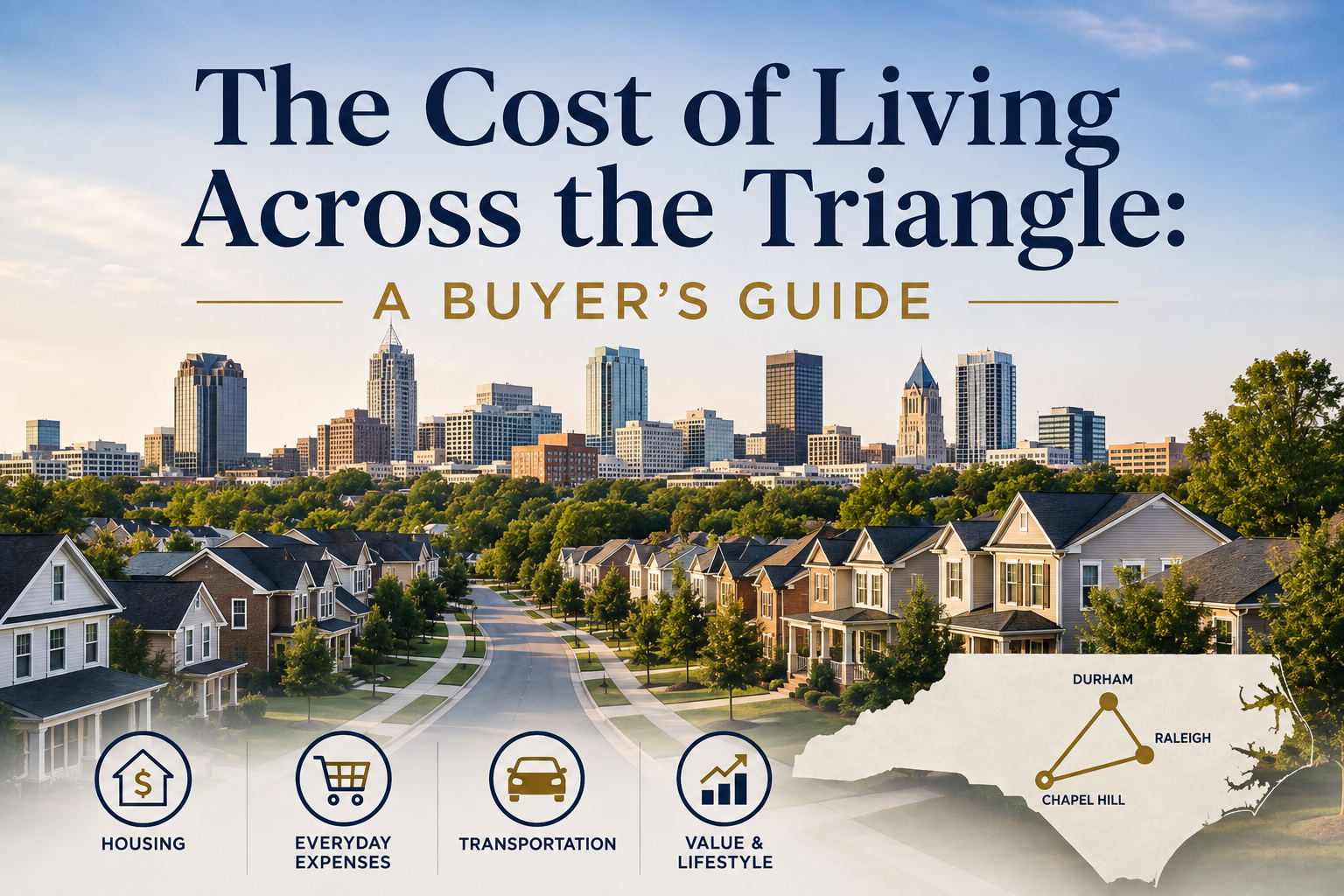
The Research Triangle Park area is consistently ranked among the best places to live in the U.S. With a booming job market, world-class universities, and an unbeatable quality of life, it’s no surprise so many people are relocating here.
However, as popularity rises, so does the cost of living. Whether you are moving from across the country or just across the state, understanding your financial picture is the key to a stress-free transition. At Hart & Jahoo, we guide clients through these financial decisions every day.
Understanding the Triangle "Vibe" and Price Point
The Triangle isn't a monolith—it’s a collection of distinct communities, each with its own lifestyle and price range:
- The Urban Hubs (Raleigh & Durham): These areas offer proximity to major employers, nightlife, and culture. While housing prices here have risen, you are paying for convenience and access to the city’s heart.
- The Suburban Sweet Spots (Cary, Apex, Chapel Hill): Known for top-tier schools and established neighborhoods, these areas often command a premium for their location and community amenities.
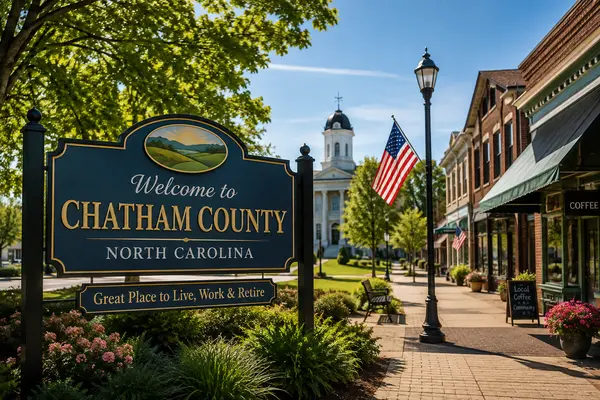
- The Emerging Gems (Pittsboro & Surrounding Counties): For buyers seeking more "bang for their buck," areas like Pittsboro offer a bridge between nature-focused living and modern convenience. Many buyers are finding that they can secure larger lots and newer construction here without the price tag of a downtown Raleigh address. Read more about why so many buyers are turning to new construction homes here.
Budgeting Beyond the Basics: Hidden Costs of Homeownership
It is easy to focus solely on the mortgage, but a complete budget accounts for the true cost of owning a home in North Carolina:
- HOA Fees: Many planned communities in the Triangle have Homeowners Association fees. Factor these into your monthly debt-to-income calculation.
- Property Taxes: These vary by county (Wake, Durham, Chatham, etc.). It is vital to look at the specific tax rate of the municipality where you are buying, as it can significantly impact your monthly "out-of-pocket" expenses.
- Home Maintenance: Our summer heat and occasional storms mean that maintaining a home in NC requires regular care. Whether it’s HVAC servicing or landscaping, factor in a yearly budget for upkeep.
- Utilities: While many modern homes are energy-efficient, older homes may have higher cooling costs during our peak summer months.
Smart Budgeting Tips for Your Relocation
- Get Pre-Approved Early: Knowing your exact loan capacity prevents you from falling in love with homes out of your price range.
- Factor in Commuting: A slightly higher home price near your workplace can often be offset by lower gas and transportation costs over time.
- Focus on "Recreation Value": Living closer to the trails and parks you love—like Jordan Lake—saves you money on gym memberships and travel, effectively adding value to your home.
Start Your Search with Confidence
The Triangle market is dynamic, and "cost of living" means something different to every family. Whether you are looking for a bustling urban condo or a quiet retreat near the water, our team can help you identify the neighborhoods that align with your financial goals and lifestyle dreams.
Contact our team today to start your search and get a personalized look at the current market.
Frequently Asked Questions
Is the cost of living in the Triangle expensive?
While the cost of living has increased alongside the area's popularity, it remains competitive compared to major coastal metros. Costs vary widely depending on whether you choose high-demand urban centers or expanding suburban and rural communities.
Where can I find the most affordable homes in the Triangle?
Many buyers find excellent value in expanding areas like Pittsboro, Sanford, and parts of Durham County. These regions often offer more square footage and larger lots at a more accessible price point than downtown Raleigh or Cary.
How does property tax affect my monthly budget?
Property tax rates in North Carolina are set at the county and municipal levels. Because rates can differ significantly between towns, it is important to include the specific local tax rate in your monthly mortgage projections before making an offer.
Should I choose an existing home or new construction for better value?
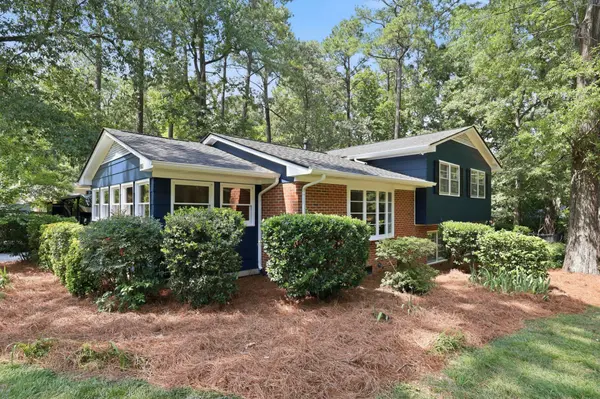
It depends on your priorities. New construction often comes with modern energy efficiency (lower utility bills) and a builder warranty (fewer immediate repairs), while existing homes may offer lower upfront costs and established character. We are happy to help you weigh the pros and cons of both.
What is the biggest "hidden" cost to consider?
Beyond the mortgage, prioritize researching local property taxes and potential HOA fees, as these can significantly impact your monthly budget.
Categories
Recent Posts