How Are Home Prices Determined?
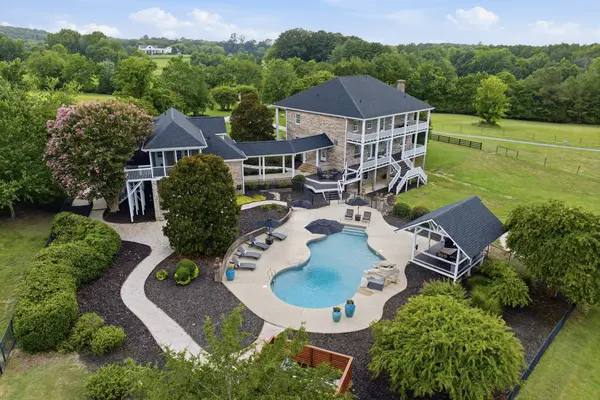
When browsing properties online across the Triangle, it is natural to wonder why two seemingly similar homes can carry dramatically different price tags. A four-bedroom residence in Pittsboro might list for one figure, while a comparable home in Cary or North Raleigh commands something entirely different.
To many buyers and sellers, home pricing can feel mysterious—almost like an arbitrary number pulled from thin air. In reality, determining a home's value is a careful blend of hyper-local data, property analysis, market dynamics, and buyer psychology.
Whether you are preparing to list your property or navigating the search for your next residence, understanding how home prices are determined helps you make confident, informed real estate decisions.
Market Value vs. List Price: Understanding the Difference
Before diving into the specific factors that influence pricing, it is essential to distinguish between Market Value and List Price.
- Market Value: The estimated amount a buyer is willing to pay—and a lender is willing to finance—for a home in an open, competitive market. It is grounded in recent sales data, current competition, and property condition.
- List Price: The initial asking price set by the seller and their real estate team. It serves as a strategic marketing tool designed to attract qualified buyers and position the home effectively within current market conditions.
While a seller can set any list price they choose, the true market value is ultimately determined by what a willing buyer and an independent appraiser agree the property is worth.
The 5 Major Factors That Determine Home Prices
Real estate professionals and appraisers evaluate several core pillars when calculating a property's market value:
1. Location and Micro-Market Demand
Location remains the single most influential driver of real estate value. However, value is determined by more than just a zip code; it is driven by neighborhood micro-trends:
- Proximity to job hubs, research parks (such as Research Triangle Park), and major thoroughfares.
- Local amenities like parks, lakes, and town centers.
- The overall appeal of the immediate surroundings, lot orientation, and privacy.
In rapidly growing regions like Chatham County, buyers often balance location preferences between urban accessibility and space for larger homesites and natural scenery.
2. Comparable Sales ("Comps")
The primary tool used to evaluate home pricing is the Comparative Market Analysis (CMA). Real estate agents and licensed appraisers review recent sales of homes that match the subject property as closely as possible in:
- Location (ideally within the same neighborhood or immediate radius).
- Square footage and usable living space.
- Bedrooms, bathrooms, and garage capacity.
- Age of construction and architectural style.
Rather than looking at active asking prices—which reflect what sellers hope to get—pricing models rely heavily on closed sales from the past 30 to 90 days.
3. Home Size, Layout, and Functionality
While total square footage provides a foundation, how that space is used matters significantly. Modern buyer preferences heavily impact value:
- Functional layouts featuring main-level primary suites, open kitchen-living concepts, and dedicated home office space.
- Finished outdoor living environments, such as screened porches, covered patios, or private pool settings.
- Usable lot space, land topography, and outdoor flexibility.
To explore how lifestyle priorities influence home construction and resale appeal, read our overview on Why More Triangle Buyers Are Choosing New Construction Homes in 2026.
4. Condition, Age, and Upgrades
Two homes built in the same neighborhood with identical floor plans can differ significantly in price based on maintenance and finishes:
- Major Systems: Age of the roof, HVAC systems, water heaters, and windows.
- Interior Upgrades: Updated kitchens, modern bathrooms, hardwood flooring, and contemporary lighting.
- Presentation: Professional staging, fresh neutral paint, and pristine curb appeal.
Properties that are move-in ready consistently command higher price points because buyers factor the cost and hassle of future renovations directly into their initial offers.
5. Macro-Economic Factors and Supply vs. Demand
Broader market conditions dictate overall price movement across the region. Key economic drivers include:
- Housing Inventory: When available listings are low relative to buyer demand, prices tend to rise.
- Mortgage Interest Rates: Fluctuations in interest rates directly impact buyer purchasing power and monthly affordability.
- Regional Economic Growth: Strong job creation and population inflow continue to support healthy property values throughout North Carolina.
For insights into how buyers navigate regional relocations and space requirements, see our guide on Why Buyers Are Leaving the City for Chatham County, NC.
|
Valuation Concept |
Primary Focus |
Determined By |
|---|---|---|
|
Market Value |
Expected purchase price in current market conditions |
Buyers and market demand |
|
Appraised Value |
Official property value for mortgage financing |
Licensed independent appraiser |
|
Assessed Value |
Tax calculation metric used by local county government |
Municipal tax assessor |
|
List Price |
Asking price listed on the MLS |
Seller & listing broker |
The Role of Strategic Pricing
Setting the initial list price is one of the most critical steps in selling a property. Pricing a home too far above current market value often leads to "market silence"—fewer showings, limited buyer interest, and extended time on the market.
Properties priced accurately from day one generate stronger momentum, attracting qualified buyers early and positioning the seller for a smoother negotiation process.
Frequently Asked Questions
What is the single most important factor in determining a home's price?
Location is the primary factor, but recent closed comparable sales ("comps") of similar properties in the immediate neighborhood provide the most accurate baseline for actual market value.
Who officially determines a home's value during a sale?
While sellers set the listing price and buyers make offers, a neutral, state-licensed appraiser hired by the buyer's mortgage lender determines the official appraised value for financing purposes.
What is the difference between assessed value and market value?
Assessed value is calculated by local county tax authorities strictly to determine property taxes. Market value reflects what a real buyer is willing to pay on the open market today, which is often higher than the tax assessed value.
Does a home appraisal always match the agreed purchase price?
Not always. If an appraisal comes in lower than the agreed purchase price, the buyer and seller must negotiate a solution—such as adjusting the price, contributing buyer funds, or bringing additional market evidence to dispute the valuation.
Navigating the Market with Hart & Jahoo
Pricing or purchasing real estate requires hyper-local expertise, comprehensive data analysis, and a clear marketing strategy. If you are curious about your property's current value or exploring real estate opportunities across Chatham County and the Triangle, the team at Hart & Jahoo Real Estate Group is here to assist. Reach out today to schedule a consultation.
Categories
Recent Posts